MERCEDES A2215458732 Anti Lock Brake Abs Control Module
fits model: Cl550, Cl600, Cl63. make: Mercedes. year: 2007.
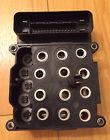
( Manufacturer Part Number: A2215458732 ), ( Part Type: Control Lock Brake Module ), ( Country/region Of Manufacture: Germany )
Review MERCEDES Oem Anti lock Brake Abs Control Module fits CL550 CL600 CL63 2007
The A2215458732 Mercedes Anti-Lock Brake (ABS) Control Module is an essential component of your high-performance Mercedes-Benz CL550, CL600, or CL63 vehicles manufactured in 2007. This sophisticated module is responsible for controlling and monitoring the Anti-Lock Braking System (ABS), ensuring safe and effective braking performance under various road conditions.
The ABS Control Module uses advanced sensors to analyze wheel speed and pressure, and then sends signals to the hydraulic actuators to apply and release the brake force appropriately. This results in shorter stopping distances and improved stability during emergency braking situations.
This particular model, A2215458732, is a direct replacement for the original part, ensuring a perfect fit and seamless integration with your vehicle's electronic systems. It comes with a comprehensive warranty, providing peace of mind for your investment. The module is designed with high-quality materials and components, ensuring durability and reliability, even under the most demanding driving conditions.
Installing the A2215458732 ABS Control Module is relatively straightforward, thanks to its plug-and-play design. However, it's always recommended to have the installation done by a professional technician to ensure proper installation and to avoid any potential complications.
In conclusion, the A2215458732 Mercedes Anti-Lock Brake (ABS) Control Module is a crucial safety feature for your CL550, CL600, or CL63. It provides reliable and efficient braking performance, ensuring your safety on the road. With its easy installation and comprehensive warranty, this replacement part is an excellent choice for maintaining the optimal performance of your luxury Mercedes-Benz vehicle.
Pros of buying a Mercedes ABS control module (Part Number: A2215458732) for CL550, CL600, and CL63 (2007 models):1. Enhanced Safety: The anti-lock brake system (ABS) is essential for maintaining vehicle control during emergency braking situations. A faulty ABS module can lead to poor braking performance, increasing the risk of accidents. Replacing the faulty ABS control module with a genuine OEM part like this one can help ensure optimal braking performance.
2. Factory-matched Quality: OEM parts like this one are manufactured by the vehicle's original manufacturer (Mercedes-Benz) to match the specifications and quality of the original parts. This can help ensure compatibility, reliability, and performance.
3. Warranty Coverage: Purchasing an OEM part from a reputable dealer often comes with a warranty, providing peace of mind and protection against potential defects.
Cons of buying a Mercedes ABS control module (Part Number: A2215458732):1. Cost: OEM parts are generally more expensive than aftermarket alternatives. The cost of this part may be prohibitive for some consumers.
2. Availability: Depending on the location and availability of the Mercedes-Benz dealer, it may not be easy to acquire this part in a timely manner.
3. Installation Complexity: The installation of this part may require specialized tools and skills, as well as potential diagnostic work to ensure proper functioning.
Conclusion:The Mercedes ABS control module (Part Number: A2215458732) is an essential component for ensuring safe and reliable braking performance in CL550, CL600, and CL63 (2007 models). While it may be more expensive than aftermarket alternatives and require specialized installation, the benefits of purchasing an OEM part, such as improved safety, factory-matched quality, and warranty coverage, may outweigh the drawbacks for many customers.
Recommendation:If you value safety, reliability, and peace of mind, and have the budget for it, purchasing the Mercedes ABS control module (Part Number: A2215458732) from a reputable dealer is a worthwhile investment. However, if cost is a concern, it may be worth exploring aftermarket alternatives while considering the potential trade-offs in terms of performance and warranty coverage. Always consult with a professional mechanic to assess your specific needs and circumstances.
Details:
part #: a2215458732 prices
- $150.00-$275.00
specifications inswico:
- for models: Cl550, Cl600, Cl63
- for makes: Mercedes
- for years: 2007
- mpn: A2215458732
- part type: Control Lock Brake Module
- country/region of manufacture: Germany
Offer inswico:
- Sold: 0
- bids: 0
- best offer: true
- quantity: 1
- Started: May 28, 2017, 11:13 pm
Returns inswico:
- time: 14 Days
- paid by: Buyer
- policy: returns accepted
- type: Money back or replacement buyers choice
- details: Restocking fee: No
Ratings:
- A 03-10-17
- good seller 05-02-17
- Total A great product great communication thanks 04-20-17
- A SMOOTH TRANSACTION, ITEM AS DESCRIBED 04-25-17
- very fast. good products 05-12-17
Payments inswico:
- PayPal
Shipping inswico:
- handling: 1 days
- cost: $0.0
- type: Flat
General inswico:
- Auto Parts CarTruck Parts > Interior SwitchesControls
- in stock: Yes
- condition: Used
Seller inswico:
- zipcode: 91501
- city: Burbank, California
Mercedes A2215458732 Is Similar To:
- 0005406050 A0005406050 A 000 540 60 50 6050 Mercedes Fuse Box Control Module Oem (29.5% similar) Item may show light scuffs, scratches or other imperfections as a result of this being used part. Shipping prices for ground apply only to the continental USA. Please verify compatibility before buying. All electronics are tested before removed from vehicle. What you see in the photos is will ...(October 3rd, 2018)
- 0008208110kz Oem Mercedes Benz Window Switch Used Estate Find Nr (34.6% similar) This switch is an estate sale find, and being sold as is, untested. Please bid accordingly. I answer questions at least once each day. I am not an expert on these parts so if you detect something materially inaccurate, please let me know can correct the. The photos are part of. You are buying a ...(May 31st, 2018)
- 02 8053 00 Mercedes Window Lock Oem Switch (43.9% similar) No longer need for my project car. Up for sell is a mercedes W124 window lock oem switch part number: tested in good working order...(April 1st, 2018)
- 0285001467 Mercedes Air Bag Airbag Srs Sensor Control Module (38% similar) Shipped with economy shipping. Condition is used mercedes S500 air bag airbag Sr's sensor control module W220...(January 18th, 2019)
- 09990562009107 Mercedes Oem Steering Assembly Left (28.9% similar) 7AM-6PM sat...(March 30th, 2018)
- 1248209310kz Mercedes Benz Oem Power Window Switch Lh (30.1% similar) On Sep at 20:35:09 PDT,: free. It would make a good replacement for damaged one. It has been tested and works fine. This is our pledge to every customer...(June 26th, 2018)
- 1268202025 Oem Mercedes Benz Relay Oe (46.8% similar) Mercedes Benz original equipment relay as pictured in the photos, good, used, undamaged working condition. Match the descriptors and oe number below to your application...(February 7th, 2019)
- 1569007402 Oem Mercedes Lamp Ecu (52.8% similar) Oem mercedes lamp ecu control module CBC v3 CLA250 in excellent shape ,please match part number...(May 22nd, 2017)
- 1645402962 A1645402962 A 164 540 29 62 Mercedes Rear Signal Activation Module Sam Fuse Box Oem (32.4% similar) Part: A1645459532 prices...(February 19th, 2019)
- 1649004101 Mercedes-benz Mercedes Oem 11-12 (36.1% similar) This part fits vehicles made in the following years 2011 , items must be signed for by buyer. They are shipped via fed ex unless oversized or require other services and - direct signatures at time of delivery...(May 26th, 2017)
- 1667203222 Mercedes-benz Mercedes Oem 2016 Gle350 (38.2% similar) They are shipped via fed ex unless oversized or require other services and - direct signatures at time of delivery...(February 26th, 2017)